What BMI measures
Body mass index divides weight by height squared. It was designed in the nineteenth century to describe populations, not to diagnose individuals, and it still works best at that scale.
As a cheap first screen across thousands of people it is genuinely useful. As a verdict on one person it is thin evidence.
It cannot see body composition
Muscle is denser than fat, so athletes routinely land in the overweight band while carrying very little fat.
The reverse is also true: someone within a normal BMI can carry a high fat percentage and low muscle mass.
It ignores fat distribution
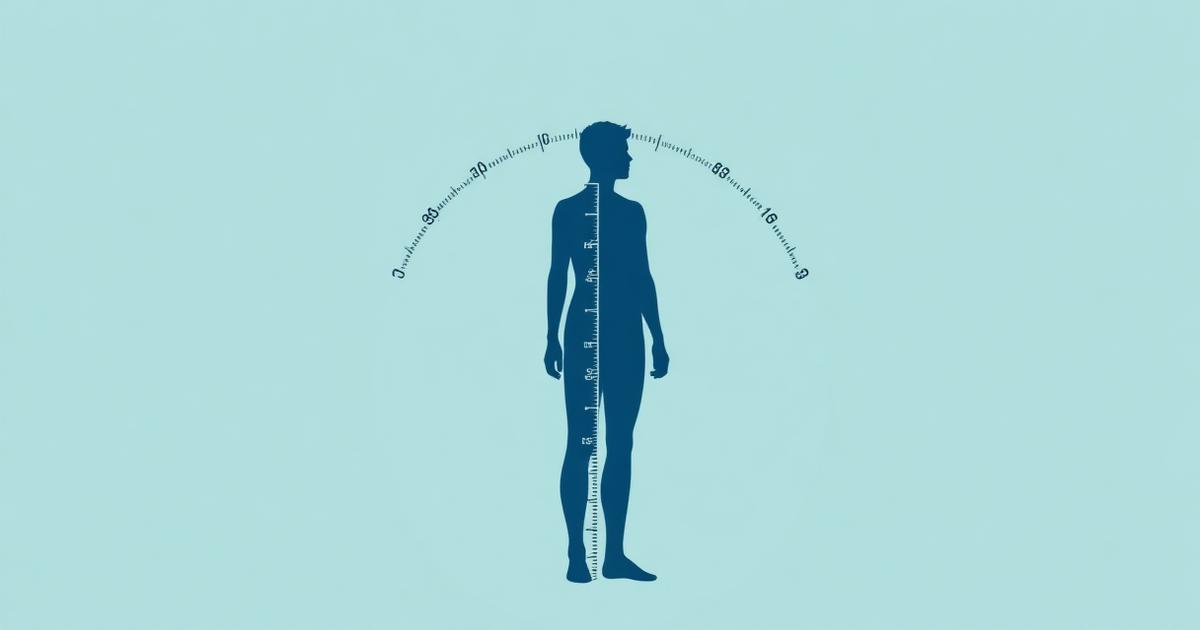
Two people with identical BMI can have very different metabolic risk depending on where their fat is stored, which is why waist-to-height ratio is often a better single number.
A waist under half your height is a simple, well-evidenced target.
Better signals to track
Use BMI as a cheap first screen, then look at waist measurement, resting heart rate and blood markers before drawing conclusions.
Trends over months matter far more than a single reading on a single morning.
- BMI
- Health metrics
Frequently asked questions
- Is BMI useless?
- No — it is a fast, free population-level screen. It just should not be the only number you look at for an individual.
- What is a better single measurement?
- Waist-to-height ratio tracks metabolic risk better than BMI and needs nothing more than a tape measure.